
The right guitar stands and wall hangers keep instruments safe, easy to grab, and out of the way, so your room stays tidy and your guitars stay ready to play.
Both work well, so it comes down to your space. A floor stand is simple, needs no drilling, and lets you move it anywhere. A wall hanger frees up floor space and shows off your guitar, but it needs a solid stud and careful mounting. Choose the stand for flexibility, the hanger for small rooms.
Read The Full Guide
A well fitted hanger is not bad for your guitar. Look for deep foam or rubber padding on the yoke, and fix it into a stud or use anchors rated for your wall. Check the screws now and then, since a loose hanger is the real risk.
When A Floor Stand Makes Sense
Floor stands need no drilling, so they suit renters and anyone who moves often. They also make it quick to pick up a guitar and play. Keep the stand on a flat surface, away from doors and busy walkways.
Mounting On Tough Walls
Brick, concrete, and tile need masonry anchors, while a wood stud gives the strongest hold. Slatwall panels let you slide hooks and hangers along and move them later. The same idea works for bikes in a garage, where a locking hanger or a hanger with a shelf keeps gear off the floor.
How To Pick Guitar Hangers For Walls
Match the hanger to your guitar weight, then check the padding and the fixing. A local music shop lets you feel the build and test the balance before you buy. Fit into a stud where you can, and check the screws every few months.
Quick Buying Checklist
- Match the hanger or stand to your guitar weight and body shape.
- Confirm your wall type before choosing screws or anchors.
- Check padding on every point that touches the guitar.
- Leave room to walk past floor stands without knocking them.
Top Picks To Compare
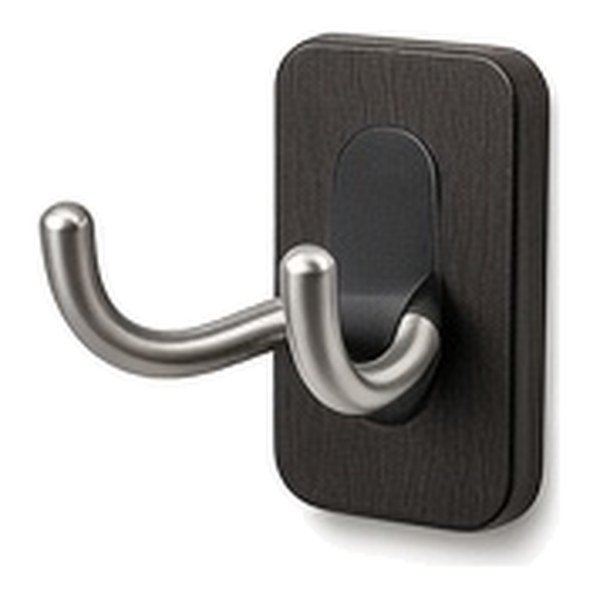
Wall Mount Guitar Hangers
Check the weight rating, the padding on the yoke, and whether the screws suit your wall type.
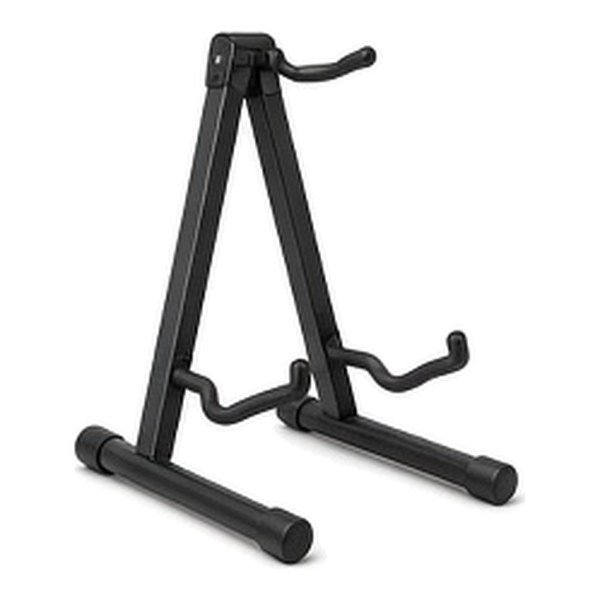
Floor Guitar Stands
Look for a wide, stable base and foam contact points that will not mark your finish.
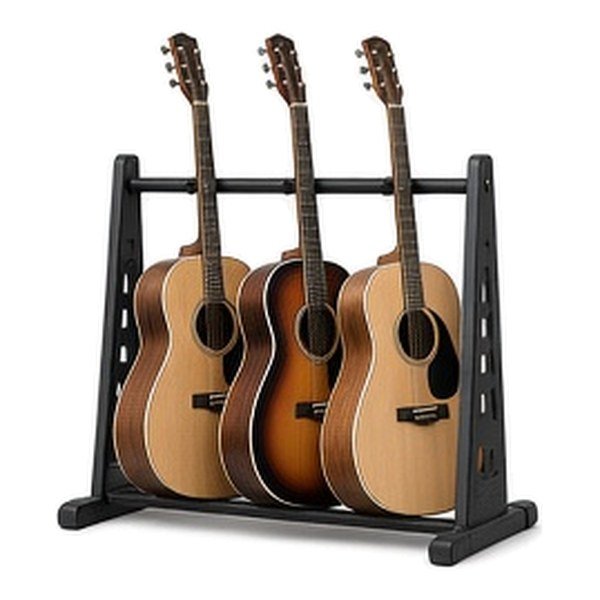
Multi Guitar Stands
Count the guitars you own now, add one for later, and check the spacing between the slots.
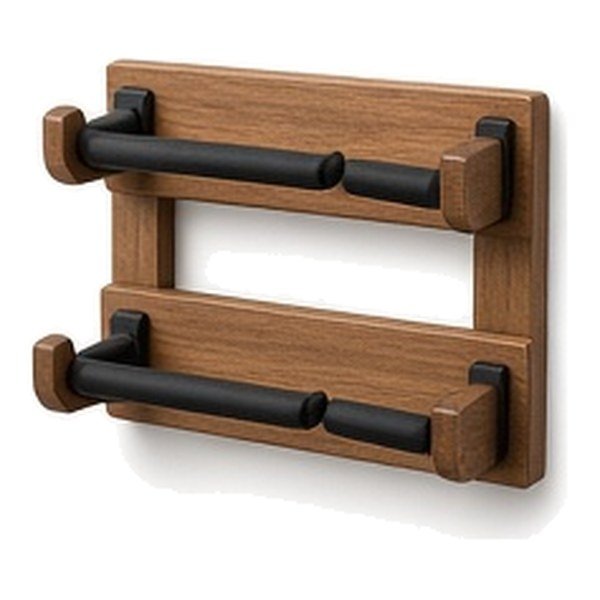
Guitar Wall Racks
Check that every cradle is padded and that the rack is fixed into studs, not just drywall.

No Drill Guitar Hangers
Adhesive types suit smooth, clean walls, so read the weight limit and let the adhesive cure before you hang anything.
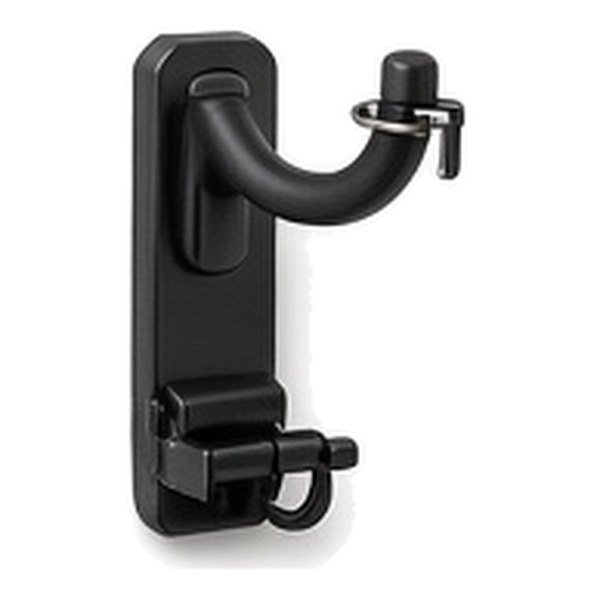
Locking Guitar Hangers
A lock or clamp stops the guitar being lifted off, which helps in shared or busy rooms.
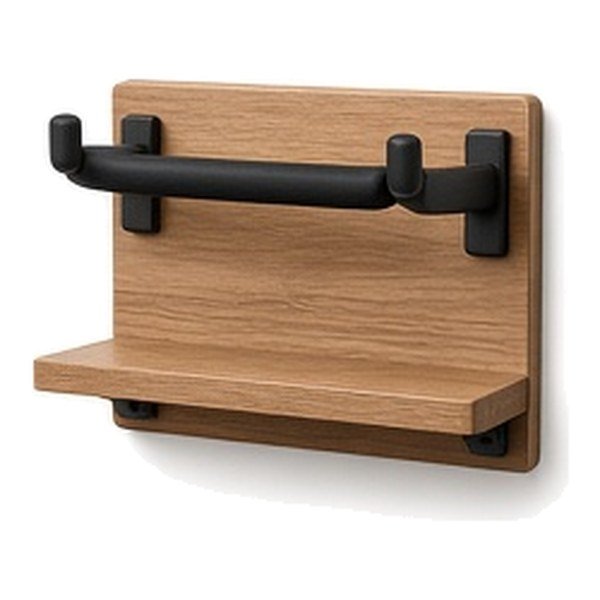
Guitar Wall Shelves
Check the shelf depth against your guitar body and look for a lip that keeps the guitar from sliding.
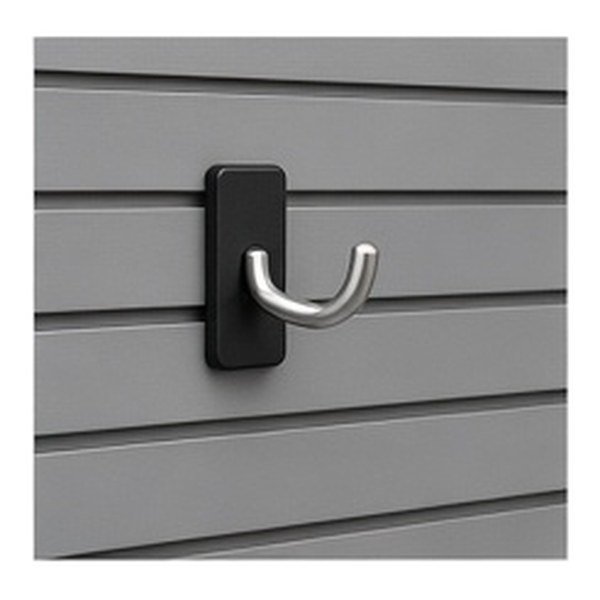
Slat Wall Hooks
Match the hook spacing to your slatwall panel and confirm the panel is fixed firmly to the wall.

Desk Clamp Guitar Hangers
Check the clamp opening against your desk thickness and make sure the padded arm clears your chair.

Padded Gig Bags
Check the padding thickness, the strap comfort, and whether the bag suits your guitar body shape.
Questions Shoppers Ask
Which Is Better, A Guitar Stand Or A Wall Hanger?
A floor stand is better if you move your guitar often or cannot drill into walls. A wall hanger is better in small rooms, since it clears the floor and keeps the guitar at eye level.
Are Wall Hangers Bad For Guitars?
No, a good hanger is fine for long term storage. The finish can be marked only if the padding is thin or grit gets trapped against it, so check the pads now and then.
Can I Use A Wall Hanger Without Screws?
Yes, adhesive and no drill hangers exist for smooth, clean walls. Always check the weight limit, and remember that they hold less than a hanger fixed into a stud.
Can I Build A Guitar Wall Hanger Myself?
You can, and many players use a shaped wood block with deep padding. The key is a strong fixing into a stud and a cradle that supports the neck without pressing on the headstock.